
 3 years ago
1
3 years ago
1
ARTICLE AD BOX
News analysis
- On 9 February, President Cyril Ramaphosa announced that electricity provisioning in South Africa is considered a national disaster.
- That gives his executive, by way of the cooperative governance minister, the power to do pretty much anything they consider necessary to alleviate and remedy.
- This is the complete list of what the government has done with that power.
- For more stories, go to www.BusinessInsider.co.za.
On 9 February, President Cyril Ramaphosa announced, in his State of the Nation Address, that his government had declared load shedding to be a national disaster.
"The energy crisis is an existential threat to our economy and social fabric," said Ramaphosa.
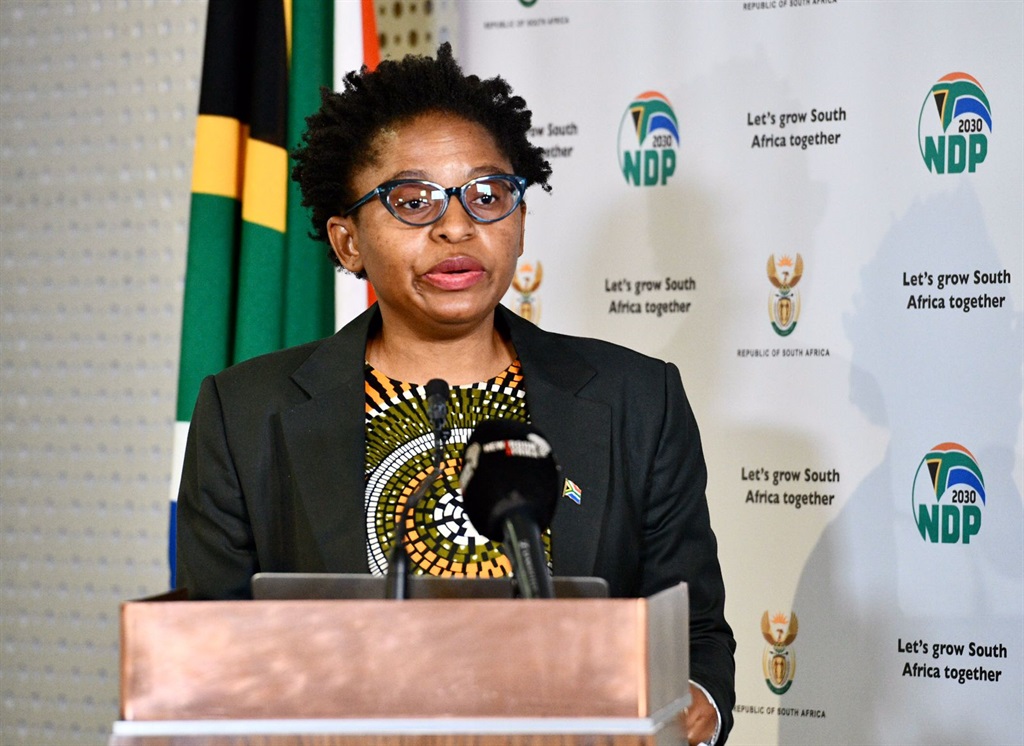
His minister of cooperative governance and traditional affairs, Nkosazana Dlamini-Zuma, was equally dramatic in the formal execution of that declaration of disaster, saying South Africa faced the risk of a "total blackout".
Given the risk, said Dlamini Zuma, she may have to issue directions and regulations on a wide range of topics. She used the exact legal language that underpinned the Covid-19 curfew and other restrictions.
See also | After 8 years promising to end load shedding, Ramaphosa has now put NDZ in charge – with Covid-19-level powers
"Extraordinary circumstances call for extraordinary measures," Ramaphosa told the country. "We must spare no effort, and we must allow no delay, in implementing these measures."
We have tracked the measures taken to date.
Here is a complete list of everything of substance the government has done with its state-of-disaster emergency powers to actually solve the electricity crisis so far.
[This space intentionally left blank.]
(This is a developing story. Check back for updates.)




 English (US)