
 3 years ago
1
3 years ago
1
ARTICLE AD BOX
The justice system should ensure that judgments do not focus only on issues at hand but should also be aware of what effect they might have on society.
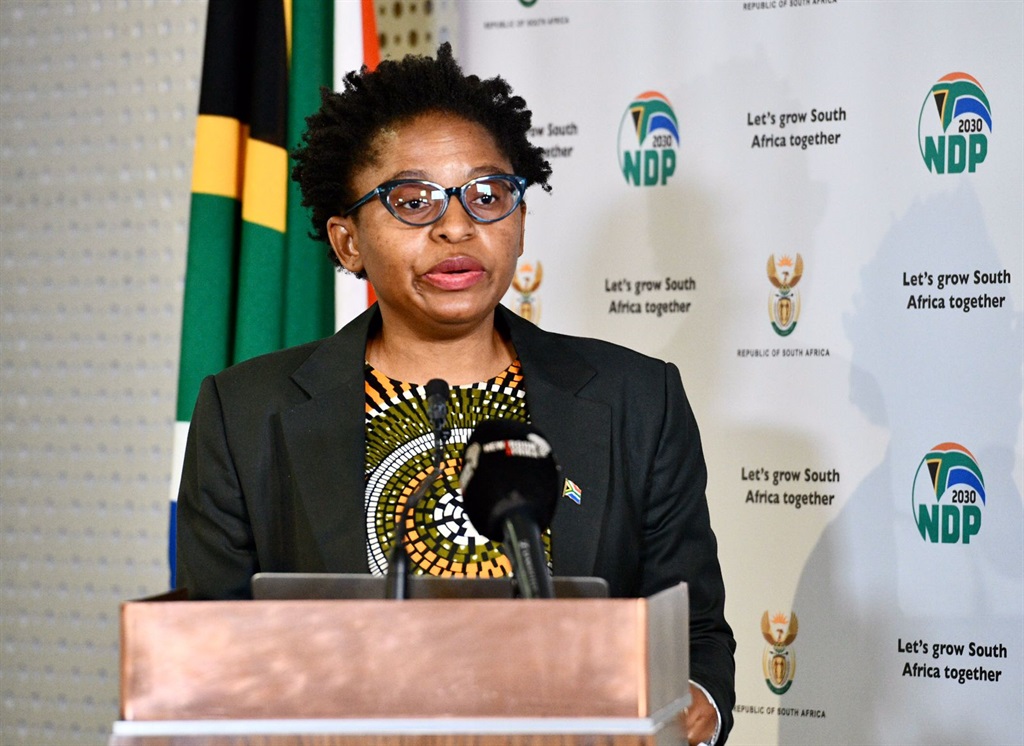
Suspended public protector Busiswe Mkhwebane said this on Wednesday while testifying before the committee for the section 194 inquiry into her fitness to hold office.
She was dealing with allegations of incompetence in respect of the report she released about the establishment of an alleged intelligence unit, “the so called rogue unit” at Sars.
In that report, which was set aside on review by the Pretoria high court in December 2020, the public protector had found public enterprises minister Pravin Gordhan — when he was Sars commissioner between 1999 and 2009 — established an intelligence unit in violation of the intelligence prescripts.
The report also found that Gordhan misled parliament when he was unable to remember that a member of the Gupta family was present at a meeting he attended in 2010.
The law states a complaint referred to the public protector shall not be entertained unless it is reported within two years from the occurrence of the incident, and where special circumstances permit the probe.
In its judgment setting aside the report, the high court said Mkhwebane's decision to conduct the investigation was unlawful because there were no special circumstances present and said the review should succeed on this ground alone.
Mkhwebane’s advocate Dali Mpofu SC asked Mkhwebane whether courts deciding on her cases should be nitpicking on technicalities, such as lack of jurisdiction as the transgression complained of was more than two years old, or should they focus on the protection of the public and dangers that might arise should a “unit like this be left to roam around the country”.
“The justice system, I know we said they are focusing on the papers before them, but I think in whatever they do, they should also have the broader perspective to say 'the judgment which we are issuing: what impact will it have to the society at large',” she said.
Mkhwebane said the judge adjudicating on this kind of a matter should, instead of focusing mostly on technicalities, be asking what the public protector was trying to say about the unit which was not compliant.
Mpofu asked Mkhwebane what her interest as a public protector was on the issues of the alleged intelligence unit at Sars. He said Sars could ask why should the public protector care.
Mkhwebane said the public protector's mandate in terms of the constitution was to investigate improper conduct in state affairs, with the intention to protect the public.
“The Public Protector Act says we investigate the abuse of power and any institution which is performing public functions should perform it and be compliant with what the constitution and various legislative prescripts are saying.
“In simple and straightforward work of the public protector : Sars do your work, be compliant to you own laws, do not encroach on other institutions' legislative mandate.”
Mkhwebane said if nothing was done to deal with maladministration, it could escalate into a situation where the public’s rights, including privacy, would be violated.
“Your rights to privacy, even if it is not relating to tax, you find that the unit will then investigate you or access your information or even follow you.
“We want a state where you respect the constitution. It was purely to protect the public. Nothing more or nothing less.”
The inquiry will continue on Thursday.
TimesLIVE
Support independent journalism by subscribing to the Sunday Times. Just R20 for the first month.





 English (US)