
 3 years ago
1
3 years ago
1
ARTICLE AD BOX
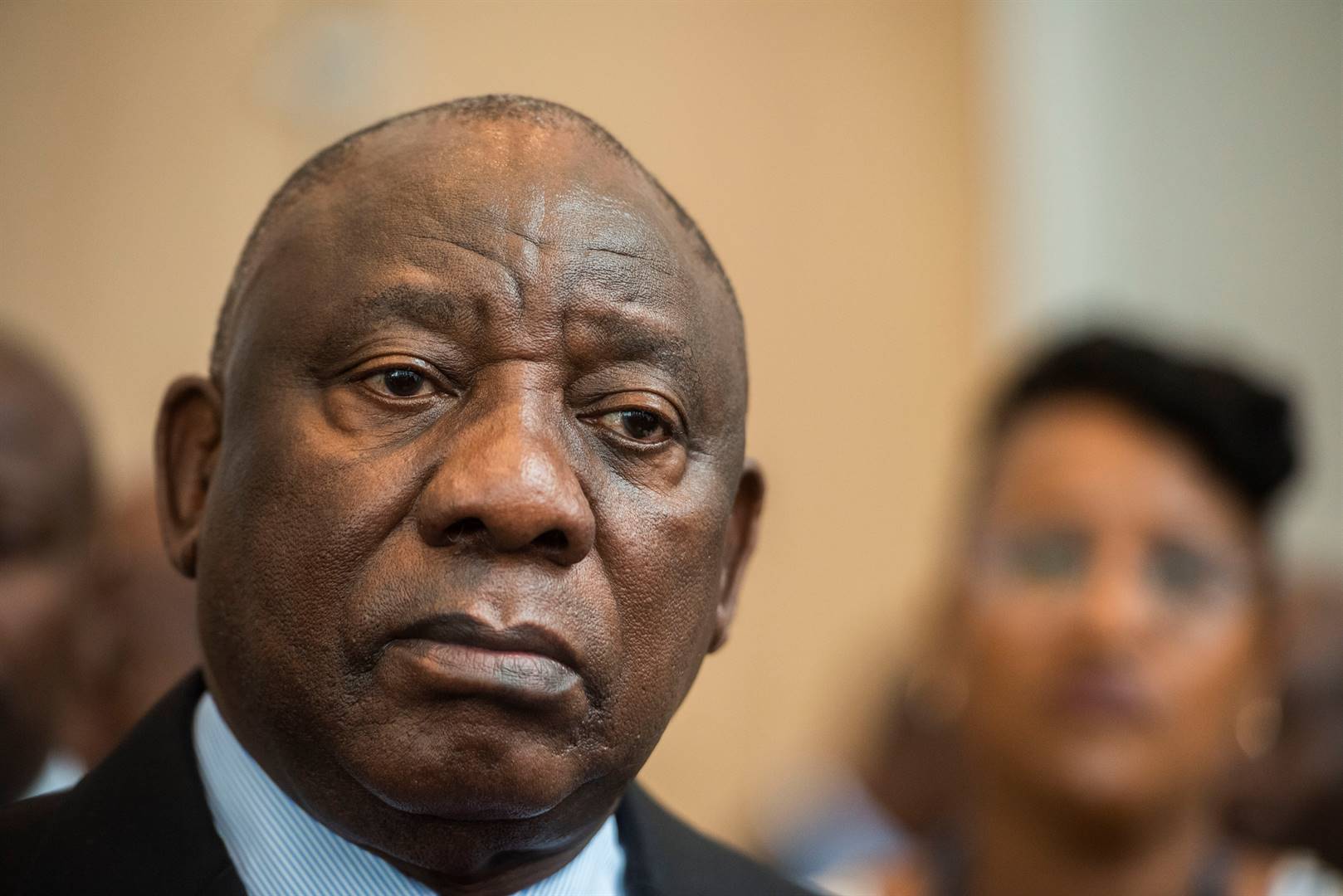
President Cyril Ramaphosa
The year 2023 is expected to be a year of increased activity for the Investigating Directorate as it builds on the sterling work it has done so far, writes Cyril Ramaphosa in his weekly newsletter.
Dear Fellow South African,
This week will mark five years since we embarked on a new journey in the fight against corruption. In delivering the State of the Nation Address on 16 February 2018, I said:
We are determined to build a society defined by decency and integrity, that does not tolerate the plunder of public resources, nor the theft by corporate criminals of the hard-earned savings of ordinary people.
I said that if we are to turn the tide on corruption, we must strengthen law enforcement institutions and shield them from external interference or manipulation. Since then, we have made substantial progress in strengthening the state's ability to deal with corruption.
The first significant step in this effort was the establishment of a Special Tribunal to enable the Special Investigating Unit (SIU) to expedite civil claims against corrupt individuals and to recover stolen funds. The Special Tribunal is a court dedicated to proceedings arising from SIU investigations. This strategy of combining investigations with civil litigation has enabled the SIU and the Special Tribunal to recover stolen money.
As of March 2022, the value of civil litigation referred to the High Courts and the Special Tribunal amounted to R75 billion. This is roughly equivalent to what was budgeted for the child support grant this year. Currently, around 119 cases worth more than R12 billion are enrolled at the Special Tribunal.
Establishment of the ID
The second game-changer was the establishment in 2019 of the Investigating Directorate (ID) in the office of the National Director of Public Prosecutions to prosecute serious organised crime and corruption cases.
Since its establishment, the ID has been preparing several cases of serious corruption, including those emanating from the State Capture Commission, for trial. This forms part of the National Prosecuting Authority's (NPA) priority plan to deal with state capture and high-level corruption.
Last year, saw the arrest of several individuals allegedly implicated in "state capture" cases. A total of 187 accused persons have been taken to court in 32 state capture and corruption cases, and approximately R12.9 billion in funds and assets have been frozen.
READ | FIRST TAKE: Ramaphosa, at his wit's end, centralises power in his office – but myriad crises remain
As we announced in the State of the Nation Address last week, we are about to take yet another important step forward by making the Investigating Directorate a permanent entity within the NPA. This is so that it can deepen its collaboration with other entities in the criminal justice system and enrol more cases in the courts.
Consultations are under way on the legislation to give effect to this and to prescribe its powers and safeguard its independence. This also has implications for its funding and operational capacity.
ID will build on its sterling work
Currently, the Investigating Directorate's investigators are seconded from the Directorate for Priority Crime Investigation, the Hawks. Once it's made permanent, the Investigating Directorate will be able to improve the capacity of its existing team of specialist investigators and prosecutors and recruit new ones.
We expect that 2023 will be a year of increased activity for the Investigating Directorate as it builds on the sterling work it has done so far.
It has been leading an innovative approach to ensuring accountability from those implicated in state capture. As part of its ongoing criminal investigation into complex corruption at Eskom, the NPA's Investigating Directorate has finalised a comprehensive settlement agreement with an international company, ABB, to pay over R2.5 billion in punitive reparations to South Africa. The payment will be made into the Criminal Asset Recovery Account. This is reflective of the NPA's two-pronged strategy to deal with corruption through prosecuting perpetrators and recovering stolen money.
READ | Pieter du Toit: Political interference and turf wars combined to sink the DSO – insulate the ID now
Over many years, corruption has systematically weakened the state, damaged key institutions and eroded the country's social fabric. The Constitutional Court has said that corruption is "the antithesis of the open, accountable, democratic government required by the Constitution".
Working together with other multidisciplinary units such as the Anti-Corruption Task Team, the Fusion Centre and others, we will strengthen the Investigating Directorate in its work at the frontline in the fight against corruption and state capture.
Newsletter
Weekly
Opinions Weekly
Opinions editor Vanessa Banton curates the best opinions and analysis of the week to give you a broader view on daily news happenings.
We set up world-class institutions before. Now is the time to rebuild our institutions so that they are able to stand the test of time and advance the values and vision of our constitutional democracy.
With best regards.
Disclaimer: News24 encourages freedom of speech and the expression of diverse views. The views of columnists published on News24 are therefore their own and do not necessarily represent the views of News24.




 English (US)