
 3 years ago
2
3 years ago
2
ARTICLE AD BOX
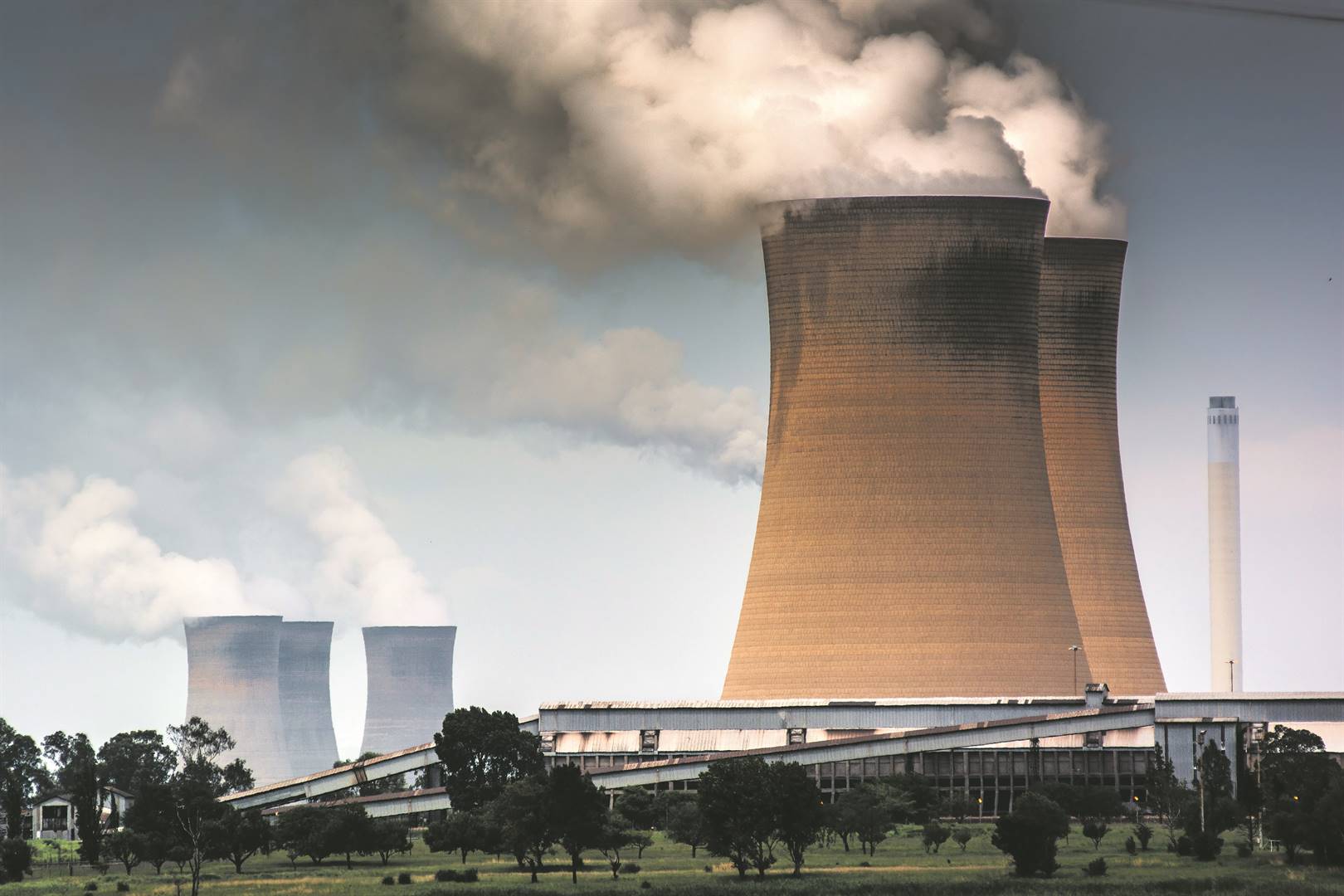
Eskom's old power stations have significant maintenance costs
Waldo Swiegers/Getty Images
- National Treasury briefed Parliament on the Eskom Debt Relief Bill on Tuesday.
- Eskom may not borrow for three years and must fund the repair and refurbishment of power stations from its own tariffs.
- The R254 billion debt relief over three years can only be used to pay off debt.
- For more financial news, go to the News24 Business front page.
National Treasury on Tuesday briefed MPs on the Eskom Debt Relief Bill, reiterating that Eskom may not borrow for the next three years and that the company will not receive any other financial support from government to fix its ailing power stations.
From 1 April, Eskom must fund all of the expenditure on its existing plants from the tariff raised from customers. This will include the life extension of Koeberg, a multi-billion project to replace three steam generators in each of the nuclear power station's two units. While the project only got under way this year, it has been planned for many years.
The briefing to MPs confirms the gulf between Treasury's approach to Eskom and that of Minister of Electricity Kgosientsho Ramokgopa, who suggested 10 days ago that government provide Eskom with additional funds to fix its plants.
READ | Ramokgopa lays out the 'difficult' trade-offs facing SA: climate goals or load shedding
The bill, which must be passed by Parliament before the money can flow to Eskom, proposes advances to Eskom of R78 billion in 2023/24, R66 billion in 2024/25 and R40 billion in 2025/26. These advances will cover capital and interest payments as they fall due and may only be used for that purpose.
Over and above this, for 2025/26, the bill proposes a debt take-over by the government of R70 billion of Eskom's loan portfolio.
Eskom has over R420 billion of debt which it has been unable to service from its revenue.
Answering questions in Parliament's Standing Committee on Appropriations, deputy director-general Duncan Pieterse said:
The real issue here is because of Eskom's debt and the associated liquidity and solvency challenges, it has not been able to spend the funds required on maintenance, capital expenditure and investment in transmission and distribution. They have constrained those budgets because of their debt challenges. So, the major intention is to free Eskom from the debt burden so that they can prioritise that critical CapEx and resolve load shedding.
The debt relief will flow as a loan, which will be converted to equity by Treasury, when all the conditions are met. As the government is the sole shareholder of Eskom, all this would require would be to issue more shares.
The bill requires that Treasury report to Parliament quarterly. If Eskom fails to meet the conditions of the loan for that quarter, then it will have to be repaid at market rates at the end of the period.
The conditions include the following:
- Eskom’s capital expenditure will be restricted to investment in the existing generation fleet as well as infrastructure for transmission, and distribution. No greenfield generation projects will be allowed during the debt-relief period.
- Eskom may not use proceeds from the sale of non-core assets for capital and operating needs. All proceeds from the sale of non-core assets, including the Eskom Finance Corporation and any property sales, will be used for the debt-relief arrangement.
- No new borrowing will be allowed until the end of the debt-relief period, unless written permission is granted by the Finance Minister.
- The R350 billion of Treasury guarantees will reduce in line with National Treasury recommendations.
- Eskom will not be allowed to use its derivative contracts (swaps/hedges) to structure new debt or loan agreements without the approval of National Treasury.
- The debt relief can only be used to settle debt and interest payments
- Eskom may not implement salary and wage increases that negatively affect its overall financial position and sustainability




 English (US)