
 3 years ago
1
3 years ago
1
ARTICLE AD BOX
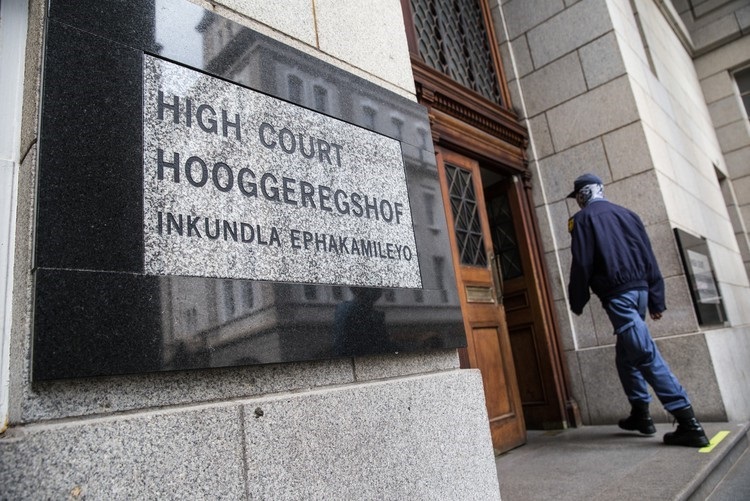
FILE: An activist is heading to the Western Cape High Court to challenge a law that prohibits publicly naming of an accused charged with rape or other sexual offences before they have pleaded in court. Photo: Ashraf Hendricks
- A Cape Town activist is heading to court to challenge a law that bars publicly naming a person accused of rape or other sexual offences before they have pleaded.
- Caroline Peters, founder of the Callas Foundation, wants the relevant section of the Criminal Procedure Act declared unconstitutional and invalid.
- Peters says naming an accused could assist police and encourage other victims to come forward.
- Peters is facing charges for naming a person accused of rape on social media.
A gender-based violence (GBV) activist is challenging a law that prohibits publicly naming an accused charged with rape or other sexual offences before they have pleaded in court.
Caroline Peters, the founder of the Callas Foundation, wants the relevant section of the Criminal Procedure Act (CPA) declared unconstitutional and invalid. She says it "constitutes a tool to silence women from speaking out against sexual offences".
"This constitutes indirect discrimination against women, who are primarily the victims of sexual violence, and thus violates the Constitution on the grounds of sex and gender," she says.
Peters, who is being represented by the Women’s Legal Centre, has filed her application in the Western Cape High Court against the minister of justice and correctional services. This comes as Peters herself faces charges for naming a person accused of rape in photographs she posted on social media.
READ | Judge denies bail, rehab centre request for man accused of killing his wife
She has cited the accused, who was charged in August 2021 but has not yet pleaded, as the second respondent in the application. The accused’s name has been redacted to comply with the provisions of the Act, referring to him only as Mr G.
Peters says her activism is rooted in her own experience of being gang raped when she was 15 years old.
She says in court papers:
More than three decades later, this memory remains vivid in my mind and has shaped the work I do to serve and protect the rights of women who become victims of sexual violence.
She says her foundation’s core function is to provide court support for victims, in a bid to reduce secondary victimisation through drawn-out cases and to ensure their rights are protected.
In the case of Mr G, Peters says she assisted the complainant and had attended the court hearing in October 2021. While waiting outside, Peters took a photograph of the court roll pasted on the passage wall, "clearly visible" to the public.
She also took a photograph of the back of Mr G when he walked into the courtroom. She posted both photographs on her Facebook page.
At his next appearance in November, she again took similar photographs and was cautioned by the magistrate not to take photographs in court.
"The magistrate did not at any stage inform me that I may not take photographs of the court roll or the accused outside of court, nor that I may not publish any details about the accused before he has pleaded," she says.
Later that month, Mr G served her with an interim harassment order relating to the publication of the photographs. In that complaint, he said he had laid a criminal charge against her because she had contravened the CPA.
While the harassment order was overturned, Peters says the criminal charge "hangs like a proverbial sword of Damocles" over her head.
She says the relevant provision appeared to be aimed at protecting an accused, at the expense of the rights and freedoms of the victims.
"The protection is not extended to persons accused of, for example, murder, attempted murder, culpable homicide, robbery, assault and fraud.
READ | Good, bad & ugly: How SA’s fight against GBV & femicide is going
"Likewise, the victims and complainants in respect of such crimes are not at risk of criminal prosecution if they expose the identities of the persons they accuse before they have pleaded."
She says this "silencing" is in direct conflict with the state’s policy of encouraging and promoting victims and communities to speak out publicly about all forms of violence against women, also integral to the healing process.
Newsletter
Daily
Good Morning, SA
Join the 1 million News24 readers who are signed up to receive the top, must-read stories of the day in their inbox. Join them and get premium news, every weekday at 6 am.
According to Peters, naming rape suspects before their pleading could assist the police with the investigation, encourage other victims to come forward, and alert potential witnesses.
The minister has until early next year to file papers opposing the application.
Peters has also published a legal notice alerting any interested party who may wish to join the application as a friend of the court.





 English (US)