
 3 years ago
1
3 years ago
1
ARTICLE AD BOX

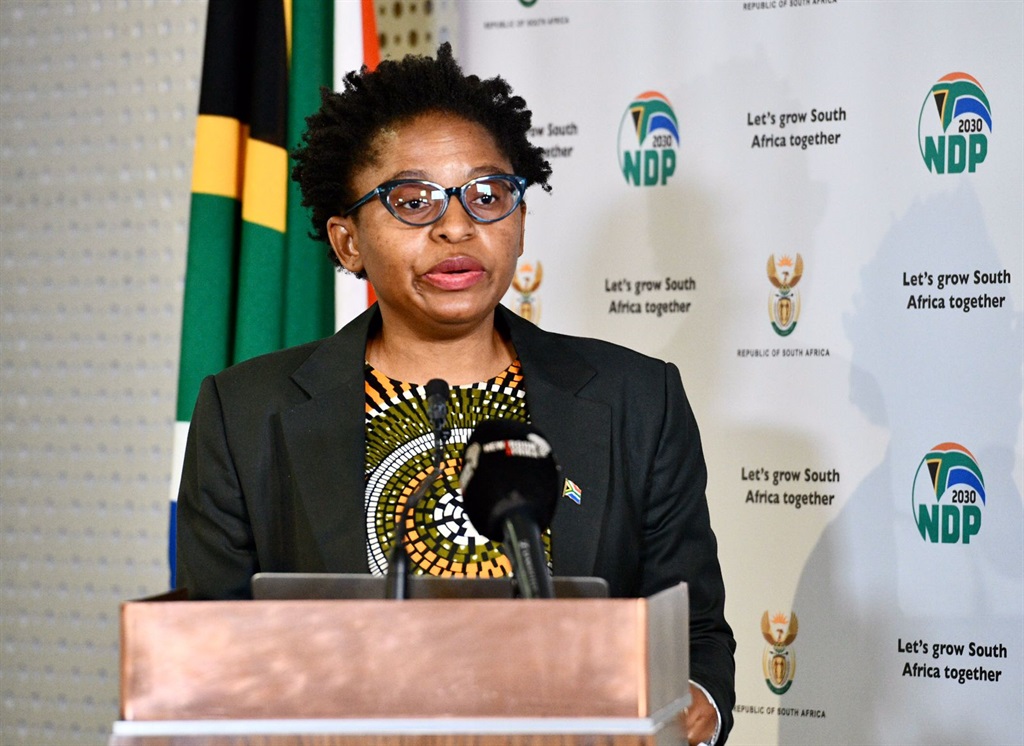
Sharna Fernandez, Western Cape MEC for social development.
- Abused men, who go on to become abusers, have a lifeline in a programme aimed at stopping generational abuse.
- The "Break the Cycle" campaign hopes to deal with what causes GBV.
- In one of the screenings of a video, 32 young boys stayed behind to talk.
A programme to help boys and men who grew up around violence to stop the cycle, particularly at home, is already bearing fruit, the Western Cape MEC for Social Development, Sharna Fernandez, said on Tuesday.
"Our communities are soaked in trauma," Fernandez told a social development committee meeting.
She said that after the "Break the Cycle" video, which launched the programme, was first shown at a child youth care centre, 32 boys stayed behind to talk.
Fernandez explained that the conversation about violence and trauma is usually about women, but men and boys also suffer abuse.
The video, which can be upsetting for those who grew up with violence and abuse, relates to viewers through the example of a child witnessing his father being verbally abusive to his mother and to him.
Seeing a parent do this could lead many children to repeat the behaviour as an adult.
Fernandez said:
We are now starting to deal with real issues rather than thinking men are only perpetrators.
"I think there are men who are abused, and we can't be in denial about that."
A video prepared for the campaign highlights the cycle of abuse in one man's life, showing how the father berates the mother and son – and how the son later copies his father's behaviour.
The tagline is: "Abused men are more likely to become abusive", and the promotion page for the campaign links to a website with advice and helpline numbers.
It offers leadership programmes to men and boys seeking psycho-social help, family preservation support and fatherhood programmes.
READ | Young men empowered and instilled with a sense of responsibility in Nomzamo
It explains that abuse is not necessarily physical but can be emotional, financial, psychological and verbal.
When the programme was launched, the department said intergenerational abuse and sustained exposure to violence add to the complexity of gender-based violence (GBV).
The website set up to assist reads:
Some are abused by people in positions of trust, such as teachers, religious leaders, family members and coaches.
"A lot of children, particularly boys, never disclose abuse and, therefore, are never helped to address their trauma or to adequately express their emotions. Some of these boys grow up and repeat the cycle of abuse and violence.
"This is why it is important for boys and men to seek help as soon as they can."
The committee heard that the province was struggling to keep up with the number of youths with "challenging behaviour" due to trauma in their environment.
ALSO READ | Here's an escape plan if you feel trapped in an abusive relationship and need to exit for good
The head of the department, Robert Macdonald, said this often emerged in children from traumatic backgrounds once they reached their teens.
In the meantime, the department is running 26 shelters for GBV survivors.




 English (US)